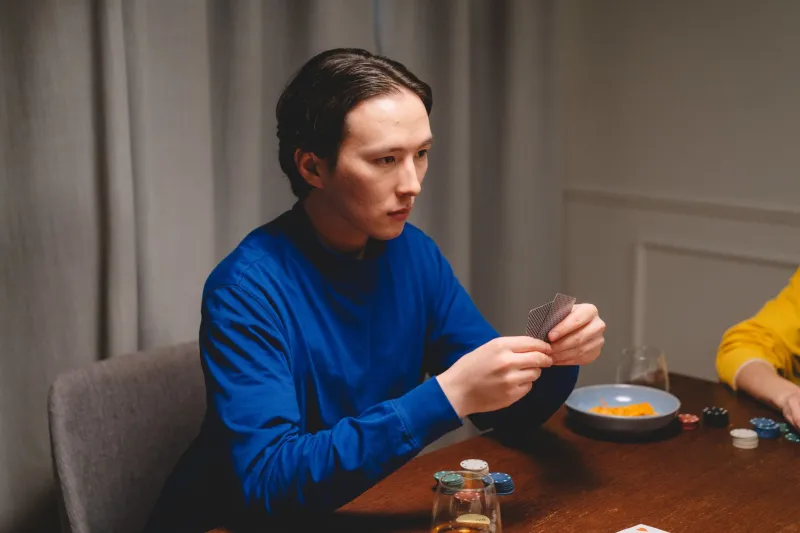
Watching Someone Else Lose Is Making You Reckless: The Streaming Trap Rewiring Aussie Casino Brains
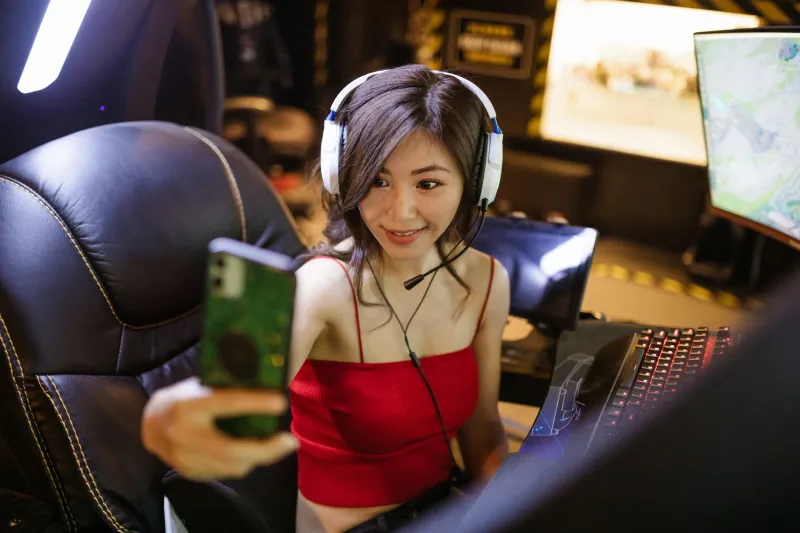
There's a bloke on your screen, energy drink in hand, betting five grand on a single spin. He loses. The chat explodes. He laughs, slaps the desk, and goes again. You're not playing. You're just watching. But your heart rate says otherwise.
This is the world of Australian casino streaming — and it's growing faster than most people realise. Platforms like Twitch and YouTube are now home to a sprawling subculture of local content creators who've built massive followings by doing one thing: gambling, loudly, in front of a camera. The audiences are young, the numbers are big, and the psychological effects on viewers are only starting to get the attention they deserve.
The Vicarious Bet: Your Brain Doesn't Know You're Not Playing
Here's the uncomfortable truth about watching someone else gamble: your brain is participating whether you want it to or not.
Neuroscience research into reward processing has consistently shown that observing someone else experience a win triggers similar dopamine responses in the observer. It's the same mechanism that makes watching sport feel physically intense even when you're parked on your couch. Your brain is wired for social learning — it mirrors the emotional states of people you're watching, particularly those you've developed a sense of connection with.
Now apply that to a casino streamer who just hit a $50,000 bonus round on a pokie. The celebration is real. The sound design of the game is engineered to feel euphoric. The chat is going absolutely feral. And you, sitting there with a bowl of chips and a betting app on your phone, are absorbing every bit of it as if you were the one spinning.
The danger isn't just that it feels exciting. It's that it recalibrates your internal sense of what a normal bet looks like.
Parasocial Relationships and the Trust Problem
Streamers don't just entertain — they cultivate intimacy. The best ones know your name (or your username), remember your previous donations, crack jokes that feel personal, and build a sense of community that can feel more genuine than plenty of real-world relationships. That's not manipulation in a cynical sense — it's just how parasocial dynamics work. But in the context of gambling content, it creates a specific and underappreciated risk.
When you trust someone, you're more likely to adopt their behaviours and attitudes. If your favourite streamer frames a $2,000 loss as "content", laughs it off, and immediately re-deposits — you absorb that framing. Losses become entertainment. Recklessness becomes personality. The idea that you should feel bad about losing starts to seem almost uncool.
This is particularly potent for younger Aussie viewers who may not yet have a fully developed relationship with financial risk. When the person they watch for three hours a night treats a month's rent like a round of drinks, the normalisation happens gradually, almost invisibly.
The Performance Layer Changes Everything
Traditional gambling is a private act. You make decisions based on your own risk tolerance, your own budget, your own emotional state. Casino streaming introduces a performance layer that completely distorts those inputs.
Streamers are incentivised to bet big because big bets make better content. A $5 spin on a low-volatility slot doesn't generate chat interaction. A $500 spin on a high-volatility game that could either wipe the balance or trigger a life-changing bonus? That's television. The economic logic of streaming pushes content creators toward increasingly extreme behaviour — not because they're irresponsible people, but because the platform rewards spectacle.
The problem is that viewers don't always consciously separate the performance from the reality. When you watch enough content where reckless bets are rewarded with attention, applause, and subscriber growth, your brain starts building associations. Risk becomes identity. Caution becomes boring.
The Highlight Reel Reality Distortion
Even when streamers are being genuinely transparent about their losses — and many aren't — there's a structural bias baked into the content. The clips that go viral, the moments that get clipped and shared across TikTok and Reddit, are almost always the big wins. The four-hour session where nothing happened doesn't get packaged into a YouTube Short. The quiet devastation of a $3,000 loss doesn't generate the same engagement as a $30,000 hit.
Aussie viewers consuming this content are getting a diet that is systematically skewed toward positive outcomes. Over time, that skew does real damage to your intuitive understanding of probability. You start to feel like big wins are more common than they are. You start to feel like the streamers are lucky in a way that's somehow transferable — that watching them, following them, being part of their community, puts you in the orbit of that luck.
It doesn't. But the feeling is powerful enough to influence behaviour.
What This Looks Like in Practice
Talk to younger Aussie players and patterns emerge quickly. They'll reference streamers when explaining why they chose a particular game. They'll use bet sizes they saw on stream as informal benchmarks. They'll describe losses using the same language streamers use — "variance", "it's just content", "the session isn't over" — without necessarily realising they've absorbed that vocabulary from someone whose financial situation is completely different from their own.
Some streamers are backed by casino affiliates or playing with house money. Some are operating at a scale where a $5,000 loss is genuinely inconsequential. The viewer who bets $500 because that's what they saw on stream is not operating in the same context — but the emotional template they're using was built watching someone who is.
Staying Razed Without Getting Burned
None of this means streaming is evil or that you need to swear off casino content entirely. Plenty of streamers are genuinely entertaining, occasionally educational, and upfront about the risks involved. The content isn't going anywhere — and frankly, some of it is a good time.
But watching with awareness changes everything. Know that your brain is being stimulated even when you're not playing. Recognise that the bets you see on screen are not a template for your own sessions. Understand that losses reframed as entertainment are still losses — and the reframing is designed to keep you watching, not to protect your bankroll.
Set your own limits before you open a streaming session and definitely before you open a betting app. The streamer's risk tolerance is theirs. Yours is built around your life, your budget, and your actual relationship with money — not a chat room's reaction to a bonus round.
Play hard if that's your thing. But play your game, not someone else's performance of one.